Excessive dust and debris buildup in ducts
We remove the debris with rotary brush duct cleaning machines and HEPA vacuums, then seal the system to prevent recontamination. Most facilities see a visible drop in airborne dust within days.
Industrial Air Duct Cleaning in Pleasant Grove is built for factories, warehouses, and commercial buildings that can't afford downtime or dirty air. Our NADCA-certified techs use negative air machines and HEPA vacuums to pull years of dust, mold, and metal debris out of your ductwork. If your Pleasant Grove facility runs on forced air, we keep it clean, code-compliant, and running at full airflow.
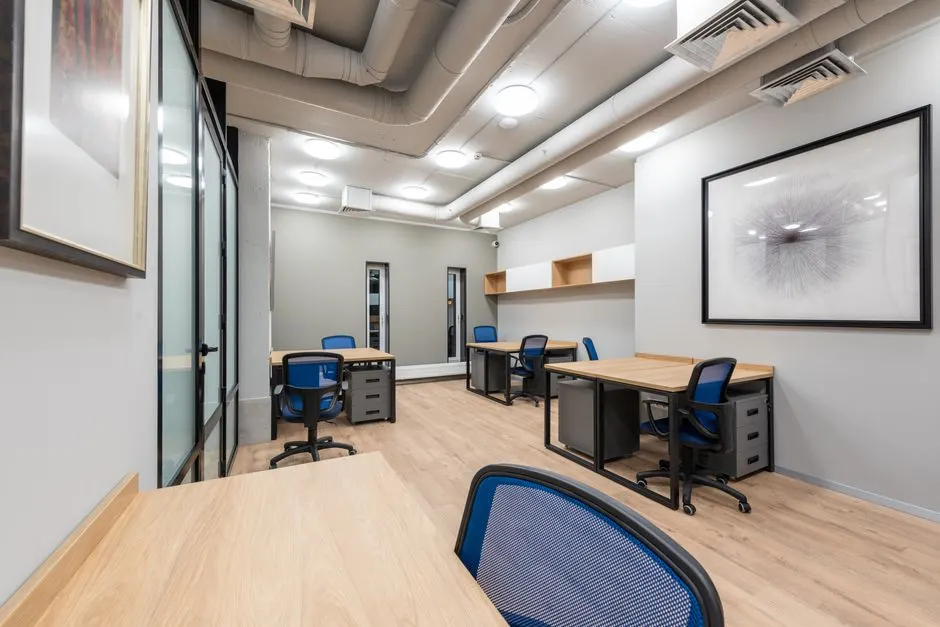
Industrial Air Duct Cleaning in Pleasant Grove is the mechanical removal of contaminants from commercial ductwork serving factories, warehouses, and large multi-zone HVAC systems. It's not a shop-vac job. We seal the system, run a negative air machine to keep dust from migrating into your production space, then work every branch line with rotary brush duct cleaning machines, air compressor whips, and HEPA vacuums. Duct camera inspection systems let us verify each run before we close it up.
Pleasant Grove sits in Utah County, where spring runoff and summer dust storms push fine particulate into every intake. Facilities near Battle Creek and the Lindon industrial corridor pull in extra debris from nearby manufacturing and gravel traffic. If your building has never had ductwork cleaned, you're likely recirculating years of accumulated dust, mold spores, and even pest debris. We handle factory air duct cleaning Pleasant Grove UT facilities rely on to keep production air clean and HVAC motors from working overtime.
Every industrial duct cleaning job includes the core steps below. Add-ons like coil cleaning, dryer vent service, and NADCA CVI inspection documentation are available if your facility needs them. We'll tell you upfront what's covered and what's optional.
We run duct camera inspection systems through every main trunk and branch line before cleaning. You get a video record of the condition and a written scope. This step alone catches blockages and damage that other companies miss.
Abatement Technologies negative air machines and HEPA vacuums keep dust from escaping into your production space. We seal every register and access point before we start. Your workers and equipment stay clean while we work.
Rotary brush duct cleaning machines and air compressor whips clean every run from the main trunk to the farthest register. We don't skip branch lines or hard-to-reach sections. If it moves air, we clean it.
We repair damaged duct board, re-seal joints with duct sealant mastic and foil tape, and replace worn flexible duct insulation. Leaky ducts waste energy and pull in contaminants. We fix what we find while we're in there.
A blower door test confirms the system holds pressure after cleaning. We re-inspect with cameras and provide a photo report with airflow readings. You get documentation you can file for compliance or insurance purposes.
We start with a full walkthrough of your facility. Duct camera inspection systems go into main trunks and branch lines to map debris levels, blockages, and any damaged duct board or flexible duct insulation. You get a written scope with photos before we touch anything. Takes 45-90 minutes depending on building size.
We seal every register and access point, then connect a negative air machine to the main trunk. This creates negative pressure inside the ductwork so dislodged debris gets pulled into HEPA filters instead of blowing into your production space. Setup runs about an hour on a typical warehouse system.
Rotary brush duct cleaning machines and air compressor whips work every run from trunk to branch. We use duct sealant mastic and foil tape to repair any joints we open. On larger systems, this step takes 4-8 hours. We work around your shifts so you don't lose production time.
Dirty coils choke airflow just as fast as dirty ducts. We clean evaporator and condenser coils with a coil cleaning pump sprayer and approved chemicals, then check blower wheels and drain pans. This is where we find most of the airflow restrictions that drive up your energy bills.
We run a blower door test to confirm the system holds pressure, then re-inspect with cameras. You get a final report with before-and-after photos, airflow readings, and a maintenance schedule. Most facilities need a full cleaning every 2-3 years and spot cleaning annually.
Purpose-built equipment, used by trained technicians — so the job is done accurately the first time.
Cleans duct walls from 6 to 24 inches in diameter. The rotating brush scrubs debris loose while a HEPA vacuum pulls it away. It's the workhorse for industrial trunk lines.
Creates negative pressure inside the duct system so dislodged debris can't escape into your facility. Essential for occupied buildings and clean environments.
Captures fine particulate down to 0.3 microns. We use it in combination with brushes and air whips to remove everything the brush loosens.
Lets us see inside every run before and after cleaning. We record video and photos for your documentation. It's how we prove the job was done right.
Reaches into tight branch lines and elbows where brushes can't go. The compressed air knocks debris loose so the vacuum can pull it out.
Measures system pressure and airflow after cleaning. It confirms the ductwork is sealed and performing as designed. We include the readings in your report.
Applies approved coil cleaning chemicals evenly across evaporator and condenser coils. Dirty coils choke airflow, so we clean them during every industrial duct job.
A machine shop had never cleaned its ductwork in 12 years. Camera inspection showed 2-3 inches of metal fines and dust packed into the main trunk. Two rooftop units were tripping high-limit switches daily, and workers complained about gritty air.
We cleaned every run over two night shifts. Airflow readings improved by 28%. The high-limit trips stopped completely, and airborne dust complaints dropped to zero. The shop saved an estimated $400 per month in energy costs.
An internal air quality audit found mold growth in three branch lines. The plant faced a compliance deadline and needed documented remediation. Flexible duct insulation in one run was visibly contaminated.
We treated the mold, replaced the contaminated insulation, and cleaned the entire system. NADCA CVI inspection documentation showed clean ductwork throughout. The plant passed its re-audit with no findings.
A warehouse owner called us after finding rodent droppings near a return register. Camera inspection revealed pest debris and nesting material in two branch lines. The building had never had ductwork cleaned.
We removed all pest debris, disinfected the affected runs, and sealed entry points. A blower door test confirmed the system held pressure. The owner passed a health inspection the following week.
Dirty industrial ductwork causes more problems than most facility managers realize. Here are the most common issues we fix for Pleasant Grove businesses.
Ask a pro →We remove the debris with rotary brush duct cleaning machines and HEPA vacuums, then seal the system to prevent recontamination. Most facilities see a visible drop in airborne dust within days.
We identify mold with duct camera inspection systems, clean and treat affected runs, and fix the moisture source. If flexible duct insulation is contaminated, we replace it. We also recommend dehumidification if needed.
We clean the ductwork and coils together, then run a blower door test to verify airflow. Most systems recover 20-30% of lost airflow after a full cleaning. Your equipment runs cooler and uses less power.
We remove all pest debris, disinfect affected runs, and seal entry points where we find them. We also check vent covers and registers for gaps. If you have an active infestation, we'll tell you before we clean.
Most Pleasant Grove industrial duct cleanings run $2,500 to $8,500 in 2026, depending on square footage, number of systems, and debris severity. A 10,000 sq ft warehouse with one rooftop unit typically lands near the low end. A 50,000 sq ft plant with multiple zones and heavy buildup runs higher. We give you a fixed quote after the walkthrough, so there's no hourly surprise.
OSHA doesn't mandate duct cleaning specifically, but indoor air quality falls under the General Duty Clause, and NADCA standards are the recognized industry benchmark. Our work follows NADCA ACR 2021 assessment and cleaning protocols, and we provide documentation showing the before-and-after condition. That report is what your safety officer or compliance auditor wants to see.
Most Pleasant Grove industrial facilities need full duct cleaning every 2-3 years, with annual spot checks on high-debris runs. Factories near Battle Creek and the Lindon corridor that pull in gravel dust or manufacturing particulate may need cleaning every 18 months. Food processing and pharma facilities often clean annually for compliance. We'll recommend a schedule based on your actual debris levels, not a sales pitch.
Look for NADCA ASCS certification, industrial-sized equipment, and documented results. Hearthline Home has served Pleasant Grove since 2022 with NADCA-certified techs, Rotobrush and Abatement Technologies equipment, and photo-documented reports on every job. We're licensed through Utah DOPL and fully insured. Call (855) 927-7517 and we'll walk you through what your facility actually needs.
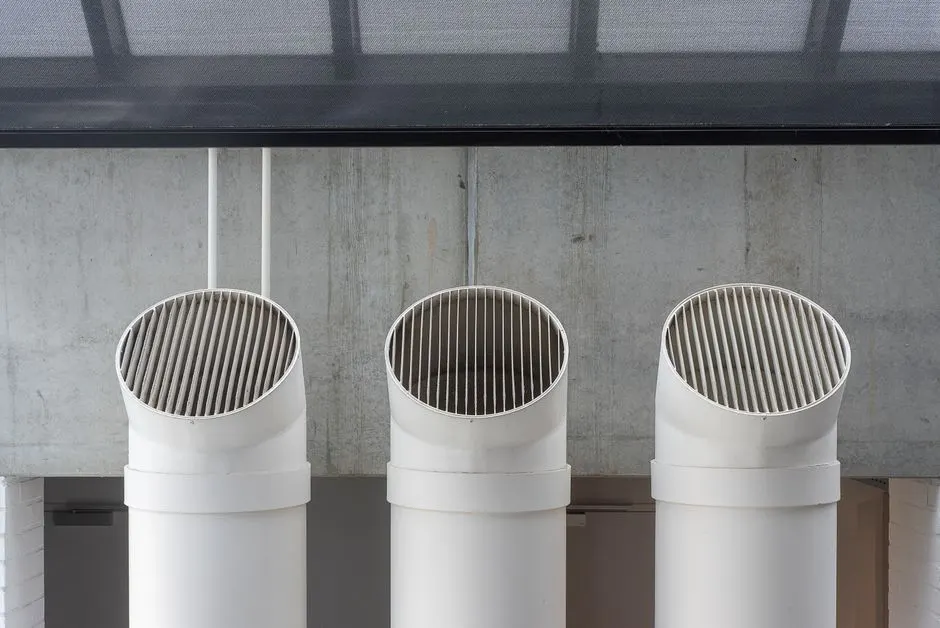 Air Duct Cleaning Near MeIf you need industrial duct cleaning, you probably need a crew that knows your area. We serve Pleasant Grove and all of Utah County, so when you search for air duct cleaning near me, we're already in your neighborhood. Same equipment, same standards, no travel surcharge.Explore →
 24/7 Air Duct CleaningIndustrial facilities don't always break down on a 9-to-5 schedule. Our 24/7 air duct cleaning service handles emergency calls when a duct collapse or contamination issue shuts down your line. We dispatch from Pleasant Grove and can have a crew on-site within hours.Explore →
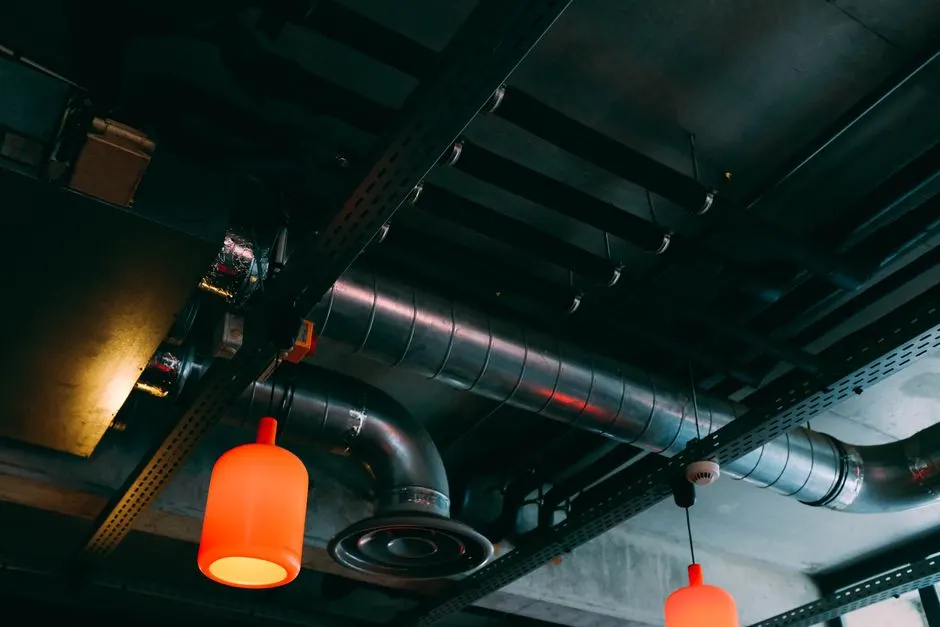 Emergency Air Duct CleaningWhen a duct system fails or contamination is discovered during a health inspection, you need emergency air duct cleaning fast. We prioritize industrial emergencies in Pleasant Grove and can mobilize same-day for critical situations. Call (855) 927-7517 and tell us what happened.Explore →
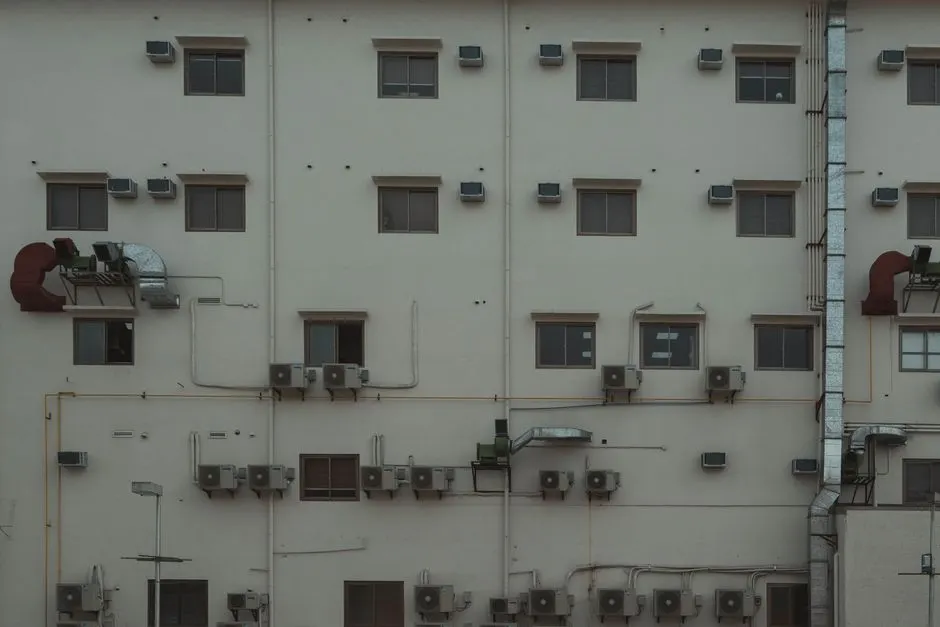 Residential Air Duct CleaningMany Pleasant Grove business owners also want their homes cleaned. Our residential air duct cleaning uses the same NADCA standards on a smaller scale. If your home has pets, allergies, or hasn't had ducts cleaned in years, we can handle both your facility and your house.Explore →Commercial Air Duct CleaningIndustrial ductwork is a subset of commercial air duct cleaning. We handle offices, retail spaces, restaurants, and warehouses across Pleasant Grove. If your building has a commercial HVAC system with ductwork, we have the equipment and certifications to clean it properly.Explore →
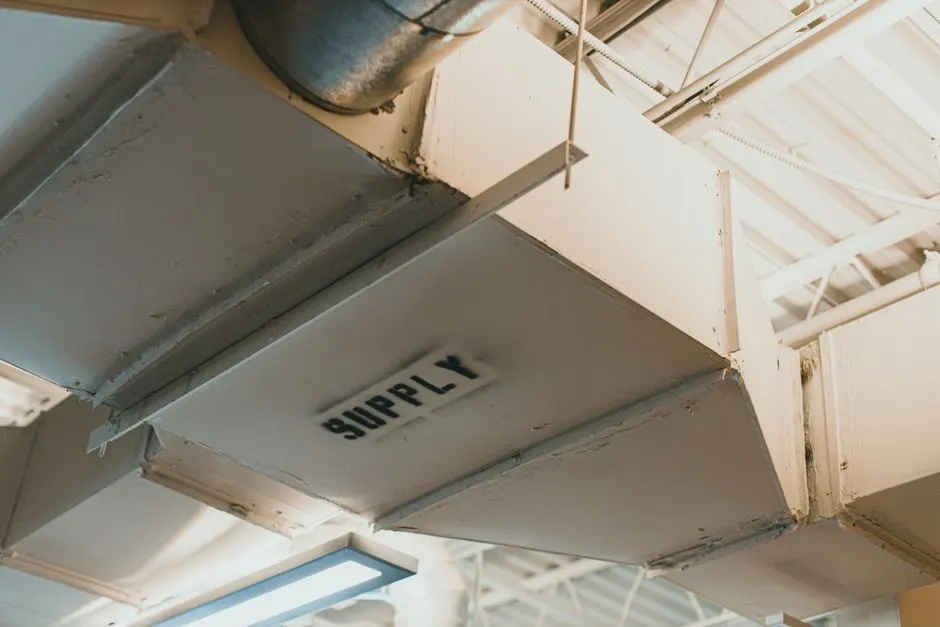 HVAC Duct CleaningHVAC duct cleaning focuses on the ductwork connected to your heating and cooling equipment. For industrial facilities, that means every trunk line, branch run, and register. We clean the full system, not just the easy-to-reach sections, and we document what we find.Explore →
 Furnace and Duct CleaningIndustrial furnaces and make-up air units collect debris just like any other HVAC component. Our furnace and duct cleaning service covers both the heating equipment and the ductwork it serves. We check heat exchangers, burners, and blower compartments while we're in there.Explore →
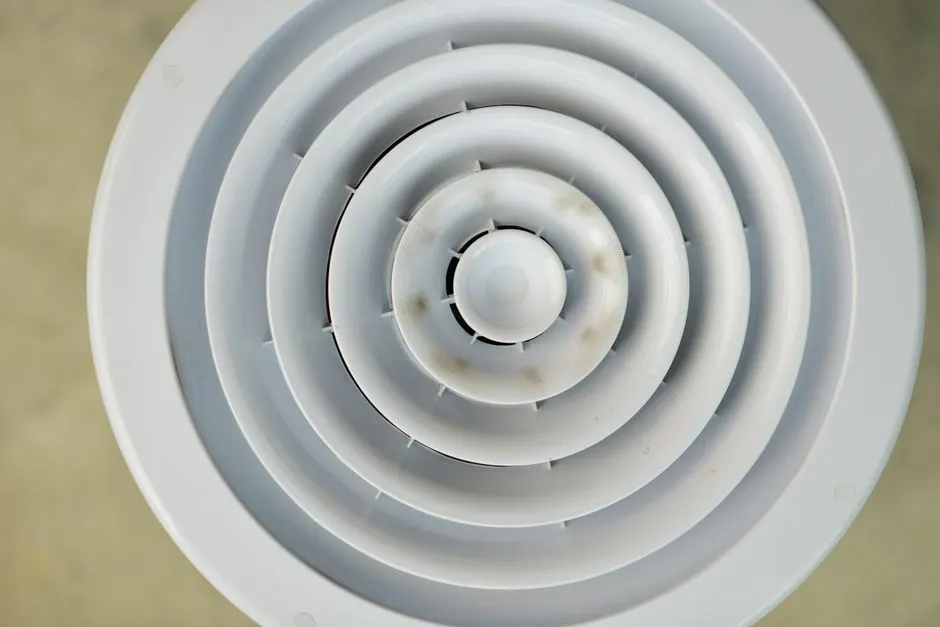 Air Vent CleaningRegisters and diffusers are the visible end of your duct system. Air vent cleaning removes the dust and debris that accumulates at each vent, and we check airflow at every one. It's part of every industrial duct cleaning job we do in Pleasant Grove.Explore →
Your facility's air quality and HVAC efficiency are too important to put off. We'll walk your building, give you a fixed quote, and schedule the cleaning around your operations. NADCA-certified, licensed, insured, and serving Pleasant Grove since 2022. Call now and let's get your ductwork clean.
Get a Free Quote (855) 927-7517 →Call (855) 927-7517 and a real person answers, not a call center two states away. We book most Pleasant Grove jobs within 24 hours and keep same-day slots open for dryer vent and emergency calls. If you prefer email, send your address and what you are seeing and we will reply with a flat quote.